How Michigan's premier family resort was made
What began with a simple dream shared by a group of neighbors in Benzie County has grown into something greater than any of them could have imagined. Celebrating 70 years in 2026, Crystal Mountain has been shaped by community; by the people who believed in this place, invested in it, and passed that love on to the next generation.
Explore the milestones below to see how that dream became Michigan's premier family resort – and how the spirit that started it all continues to guide everything we do.
Buck Hills
1950s
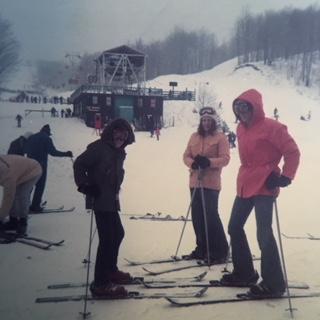
In 1950's Michigan, skiing was becoming immensely popular.
The students at nearby Benzonia High School had been challenged by principal Ward Creech to find the best land in the county for downhill skiing.

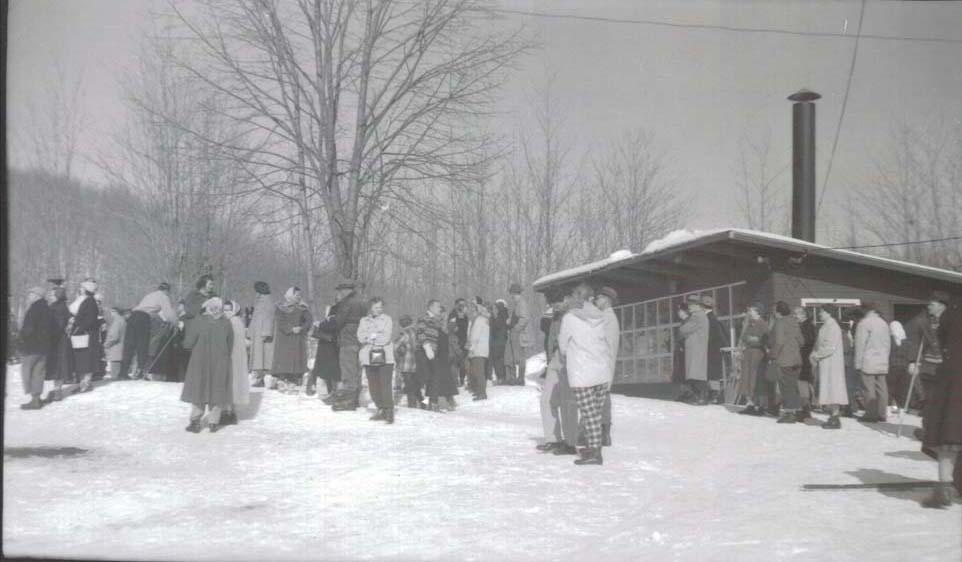
Buck Hills warming hut

Ski instructor Tom Jacobsen

Buck Hills Ski Area sign
1 /

Keith VanDuzen, on the Doe rope tow
Everyone pitched in.
In the southeast corner of the county, the Buck Hills range — a mix of gentle and steeper pitches with significant vertical drop and abundant lake-effect snow — became the focus.
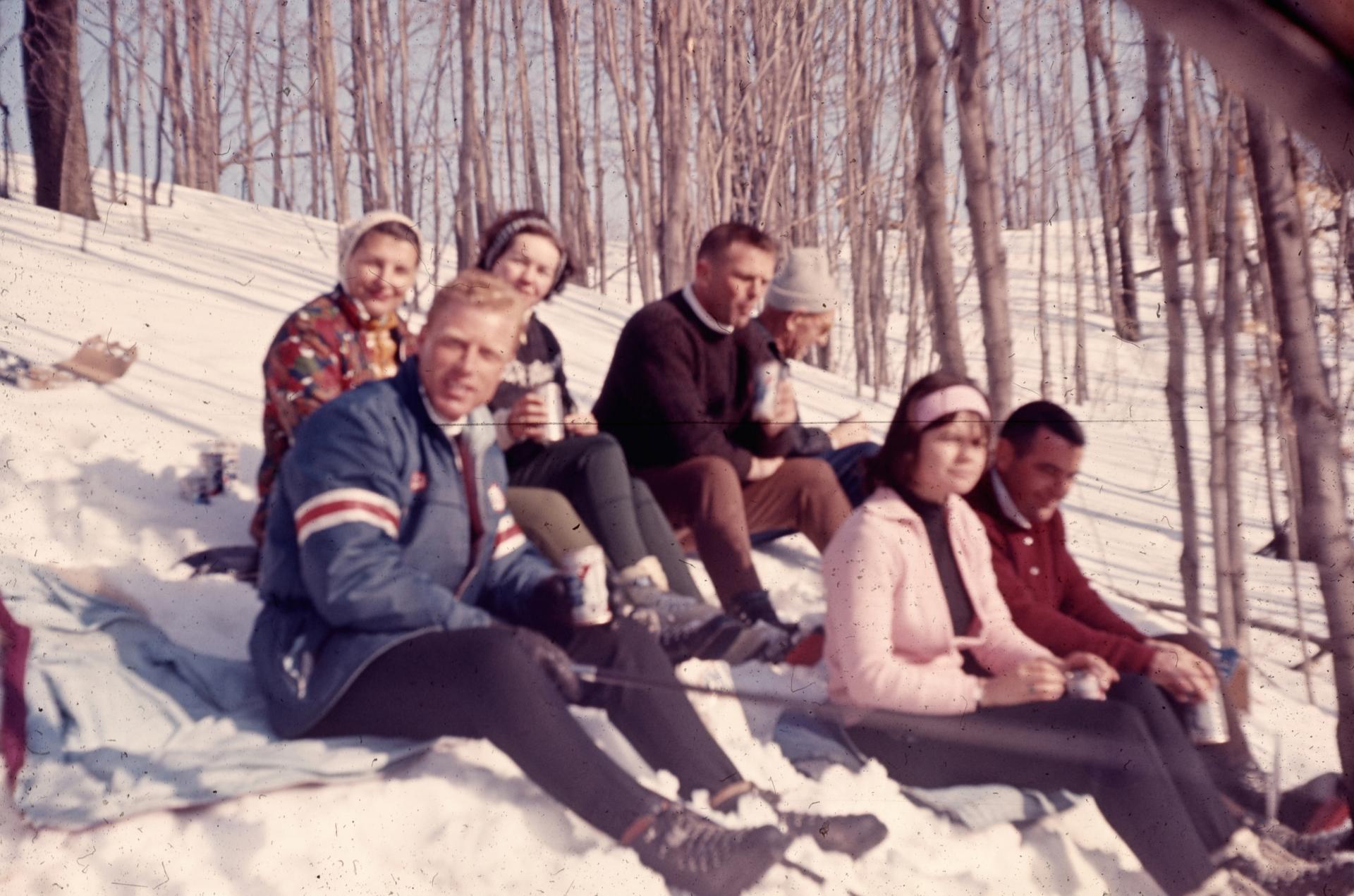
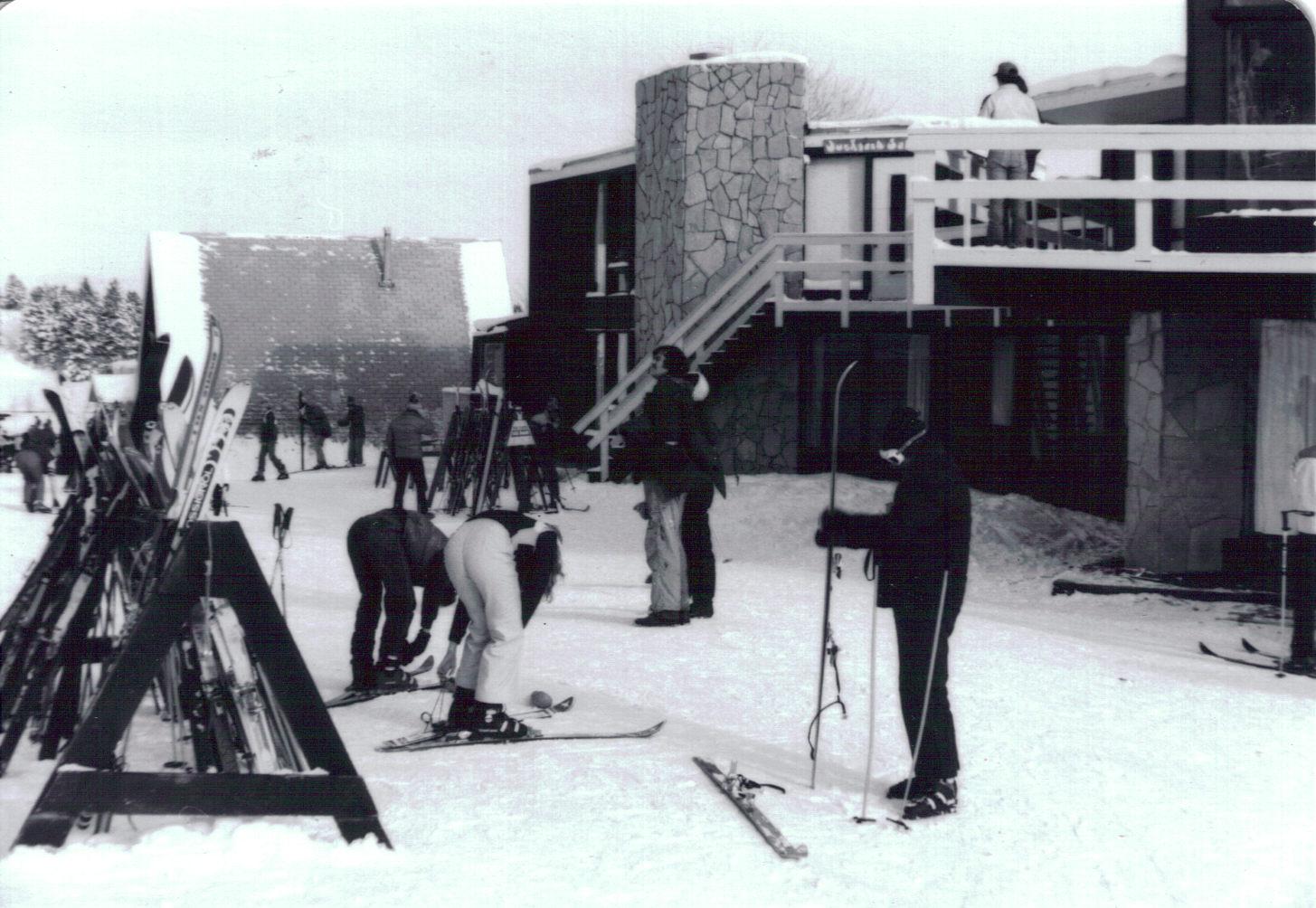
Local families and businesses helped clear enough of the heavily wooded site for three slopes – Buck, Doe and Fawn. A warming hut was built, two rope tows were installed and in 1956, Buck Hills Ski Club opened for business. Before each session, skiers sidestepped up the slopes to pack the snow.

1 /

Open for business
In 1956, Buck Hills Ski Club was open on weekdays and Wednesday evenings.
Tom Jacobsen at the top of Buck

Jeni VanDuzen and friend, 1957

Chris Petritz

Buck Hills Winter Carnival Queen Barbara Ericksen

Barb VanDuzen and daughter Jeni
1 /
Crystal Beginnings
1960s
A new era.
Every great story has a starting point — and Crystal Mountain's began with a bold idea and the courage of 96 investors who saw potential in the wooded hills of Benzie County. In 1960, that vision took shape, and a resort was born.

Ski instuctors Al Bone (Canadian), Ernst Hohenegg (from Ehrwald, Austria) and Monty Montgomery (resident of Cadillac, Michigan), in 1962
1 /
Becoming Crystal Mountain.
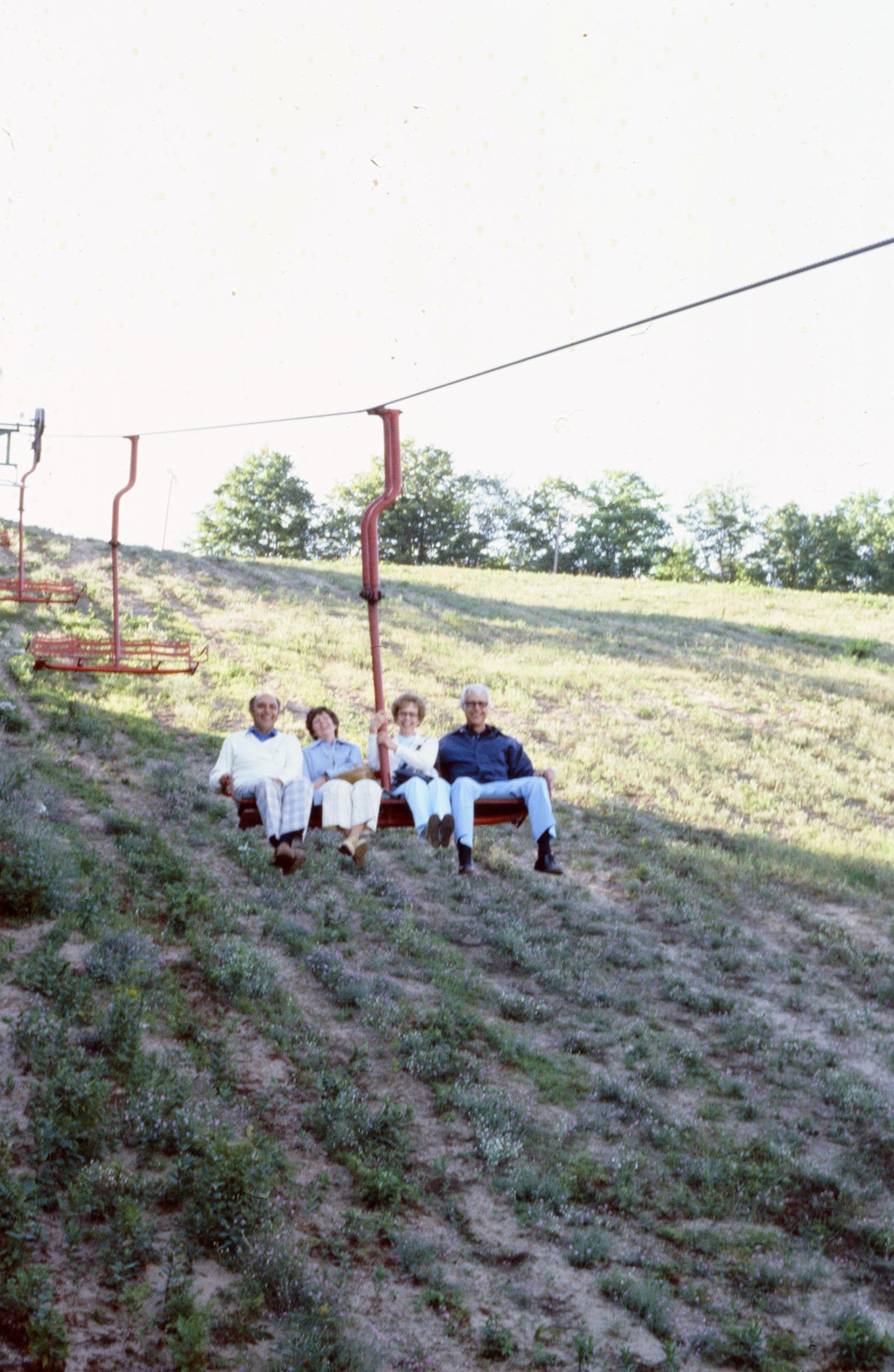
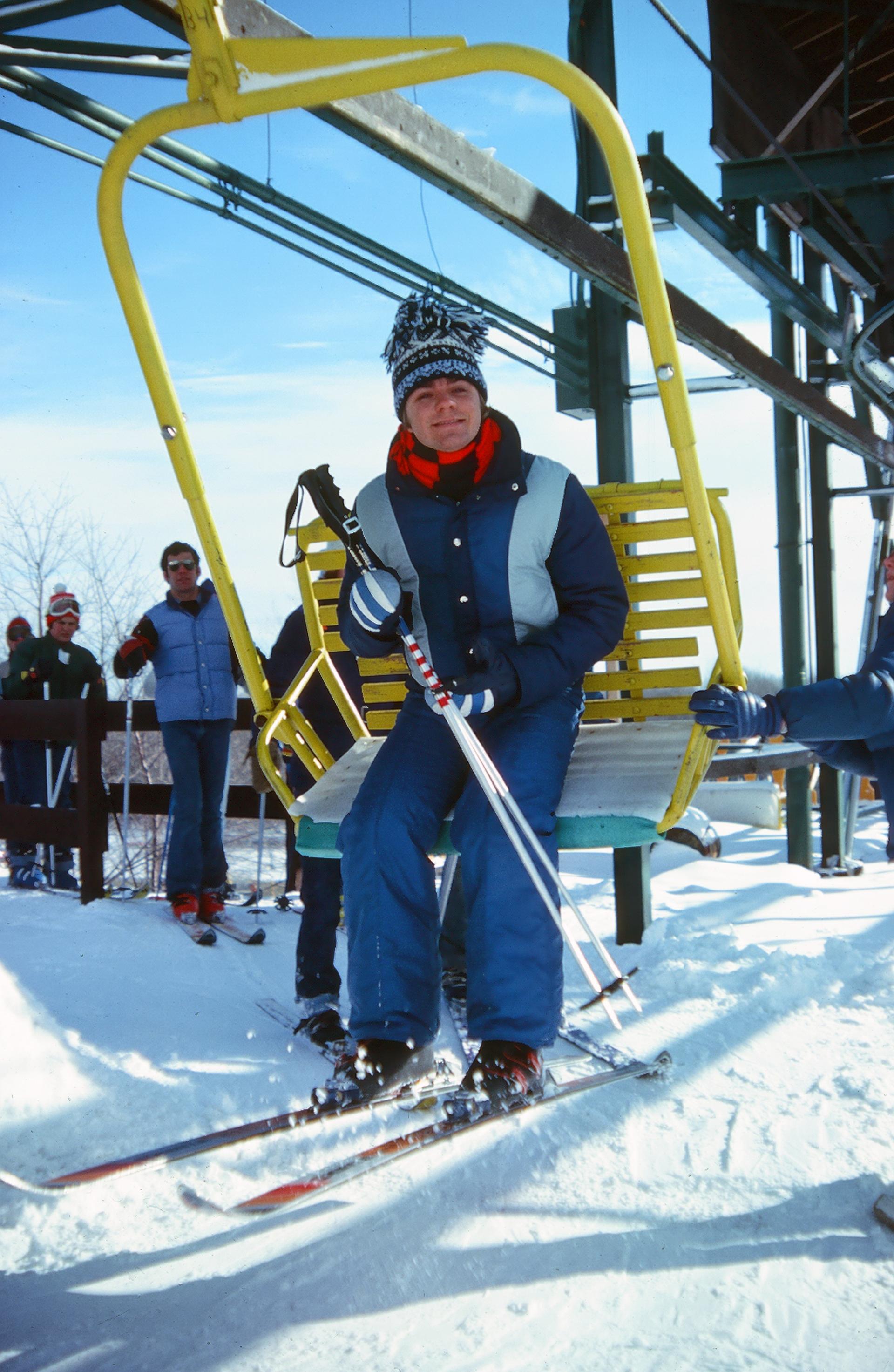
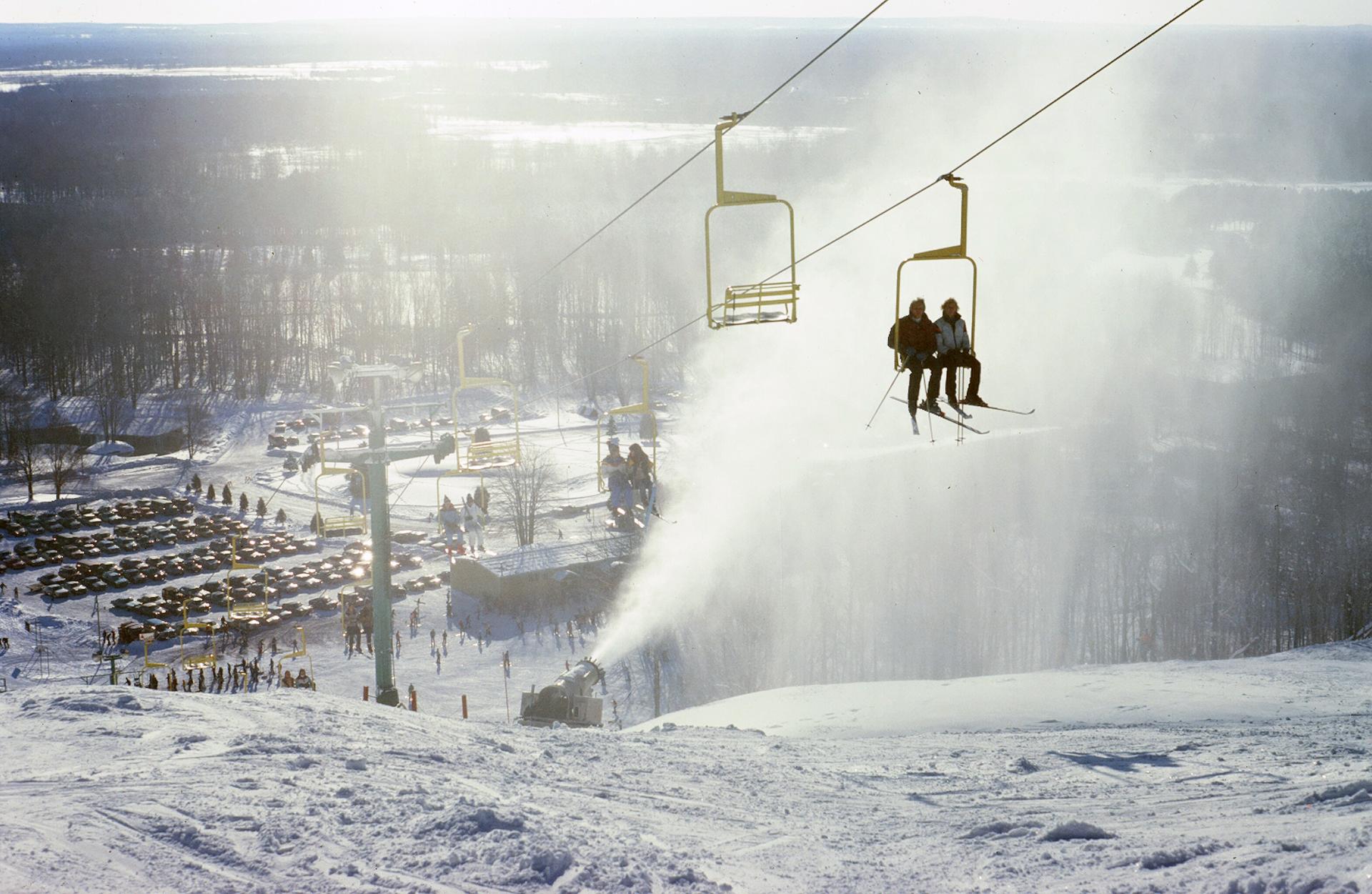
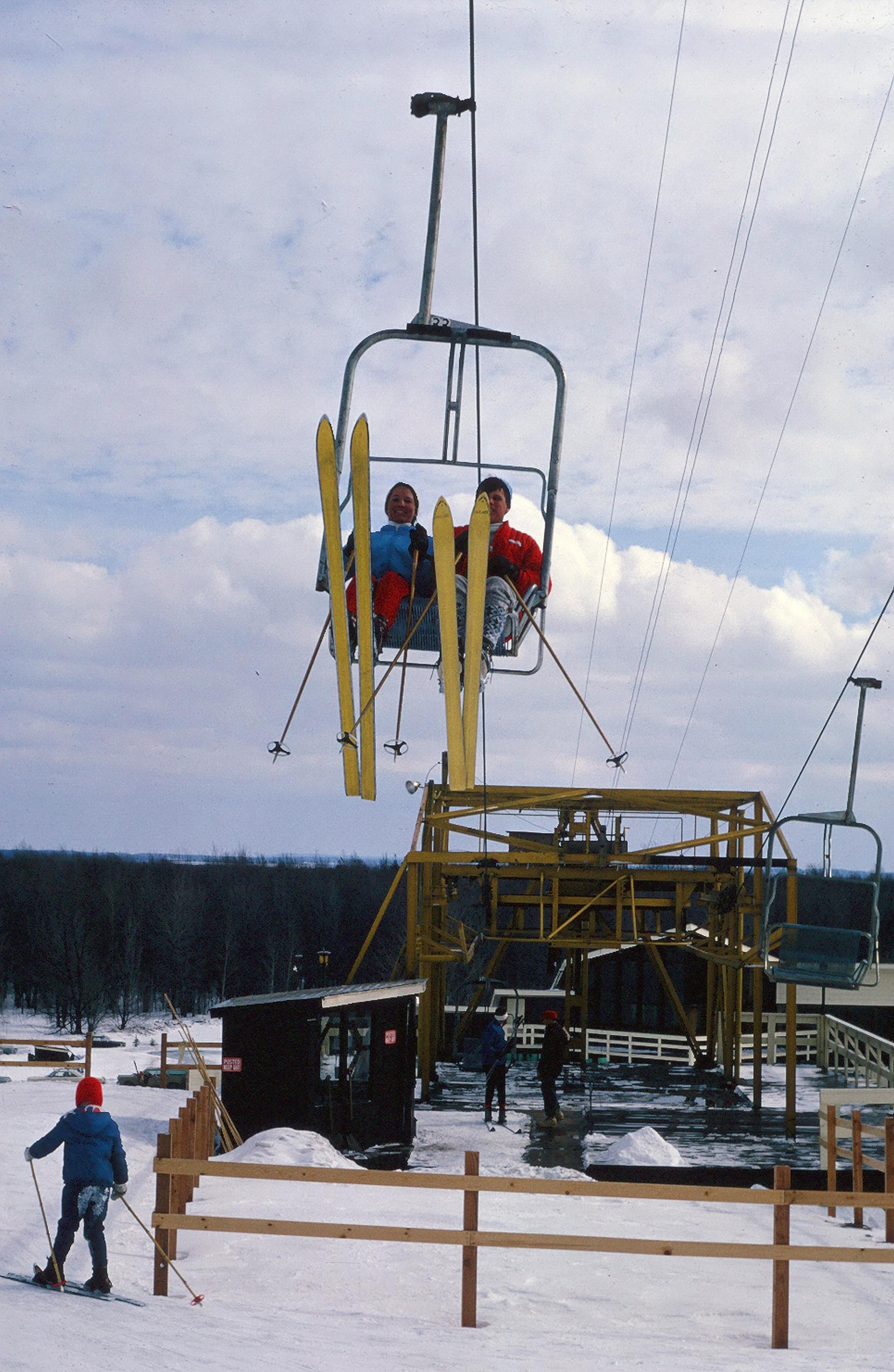
In 1960, Edward Abbey and William Webb from Toledo, Ohio led a group of 96 investors in acquiring Buck Hills land from the state of Michigan. The property, now called "Crystal Mountain," would help the economy of Benzie County by providing winter employment to local residents. A Swiss-made Brandel 2,300-linear-foot double chairlift —at the time, the longest in the Midwest — provided access to the resort’s 11 slopes, all groomed by a Sno-Cat. A snowmaking system was installed. Keith VanDuzen served as Crystal Mountain's general manager, and Swiss native Edgar Yaggi was head chef. Crystal's ski school, with instructors from the U.S., Canada and Austria, held private, group and youth ski schools, and ski weeks.

Barb & Keith VanDuzen at the top of Spike Horn

Ernst Hohenegg teaching Jeni Van Duzen

Crystal’s original canine mascot, Chris

Main Street chair

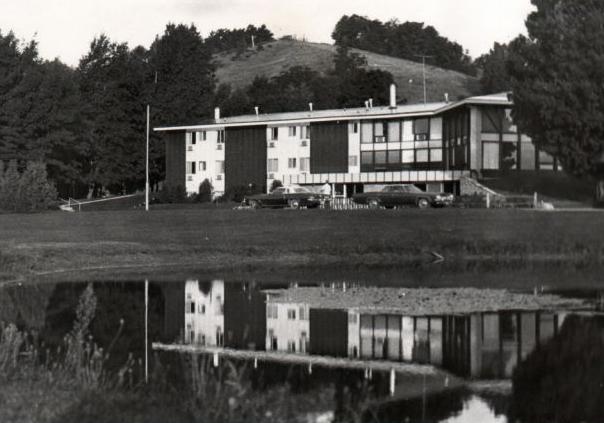
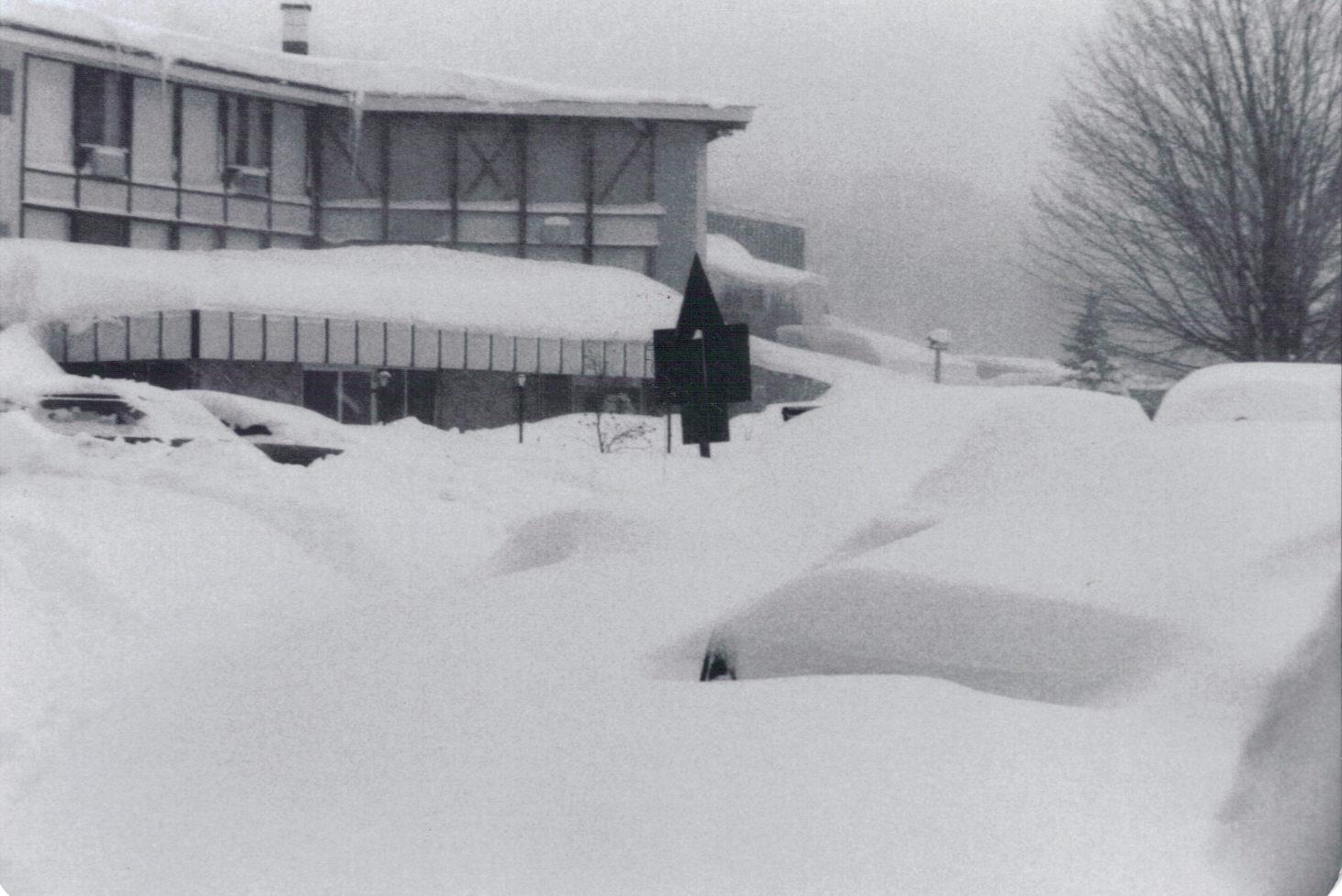
The Lodge in the mid-1960’s
1 /

Denny Johnson skiing in the 1960s
1 /

By its second year, Crystal Mountain was welcoming more than 1,000 skiers.
The Lodge in the mid-1960’s
Crystal year-round
Summertime: more fun to be had.
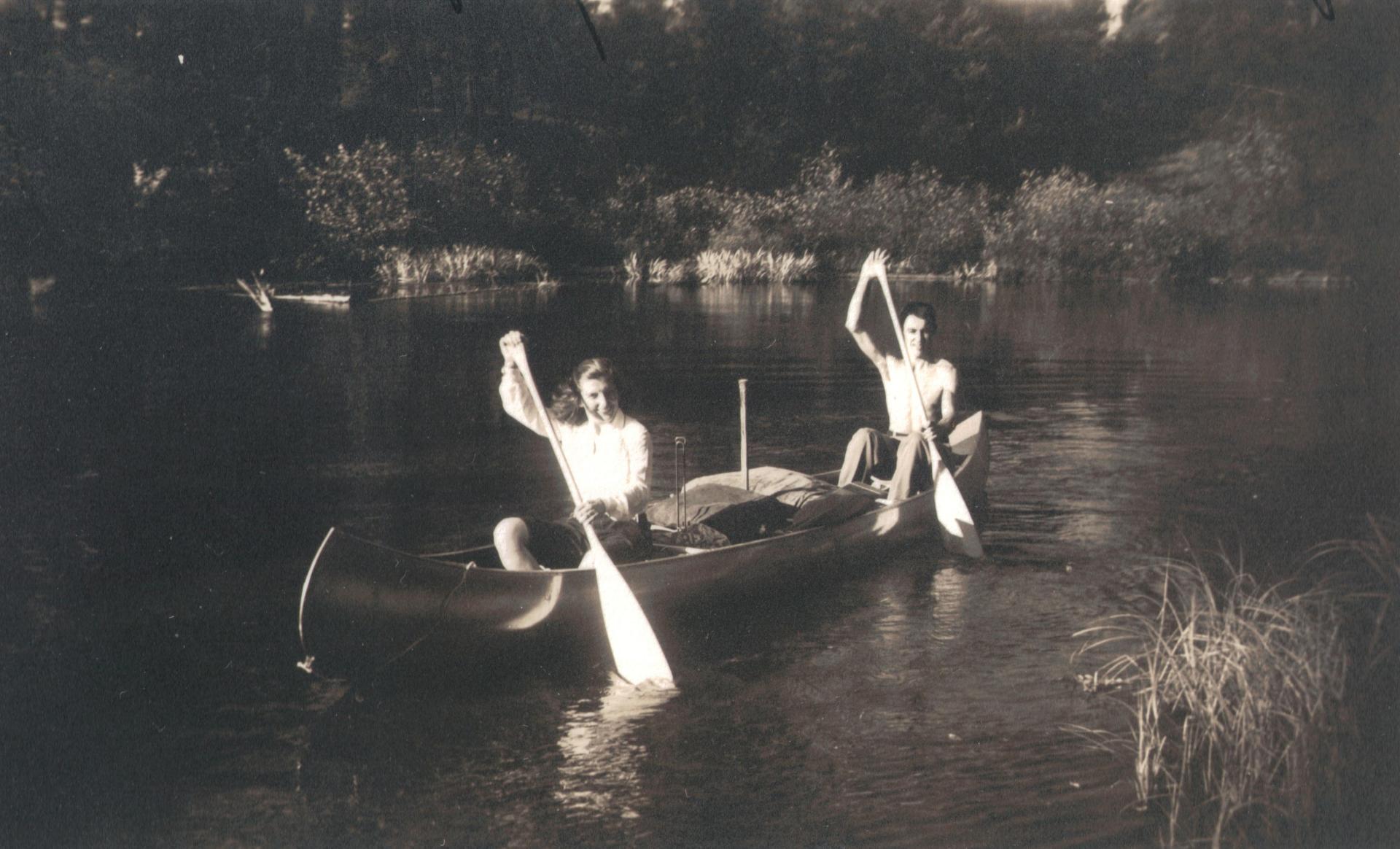
Along with swimming, warm weather activities included horseback riding, skeet shooting and canoe trips down the Betsie River. In 1963, Harry Martin purchased the resort from the original investors. Soon, a new kitchen and dining room were added to the Lodge.
Crystal's two expert, five intermediate, and five beginner runs were serviced by the Main Street chair, a Poma lift, and five rope tows.
In 1966, the resort was in foreclosure when ownership changed once again. Local residents George and Althea Petritz, with partners including Harry Calcutt and Richard Lindland, acquired the resort. George intended to sell the business, "but we realized how much we liked the people who worked there."

The Lodge, around 1968

Horseback riding, around 1962
1 /

George and Althea in The Lodge, around 1975
In 1966, George and Althea Petritz, with partners, became an owner of the resort.

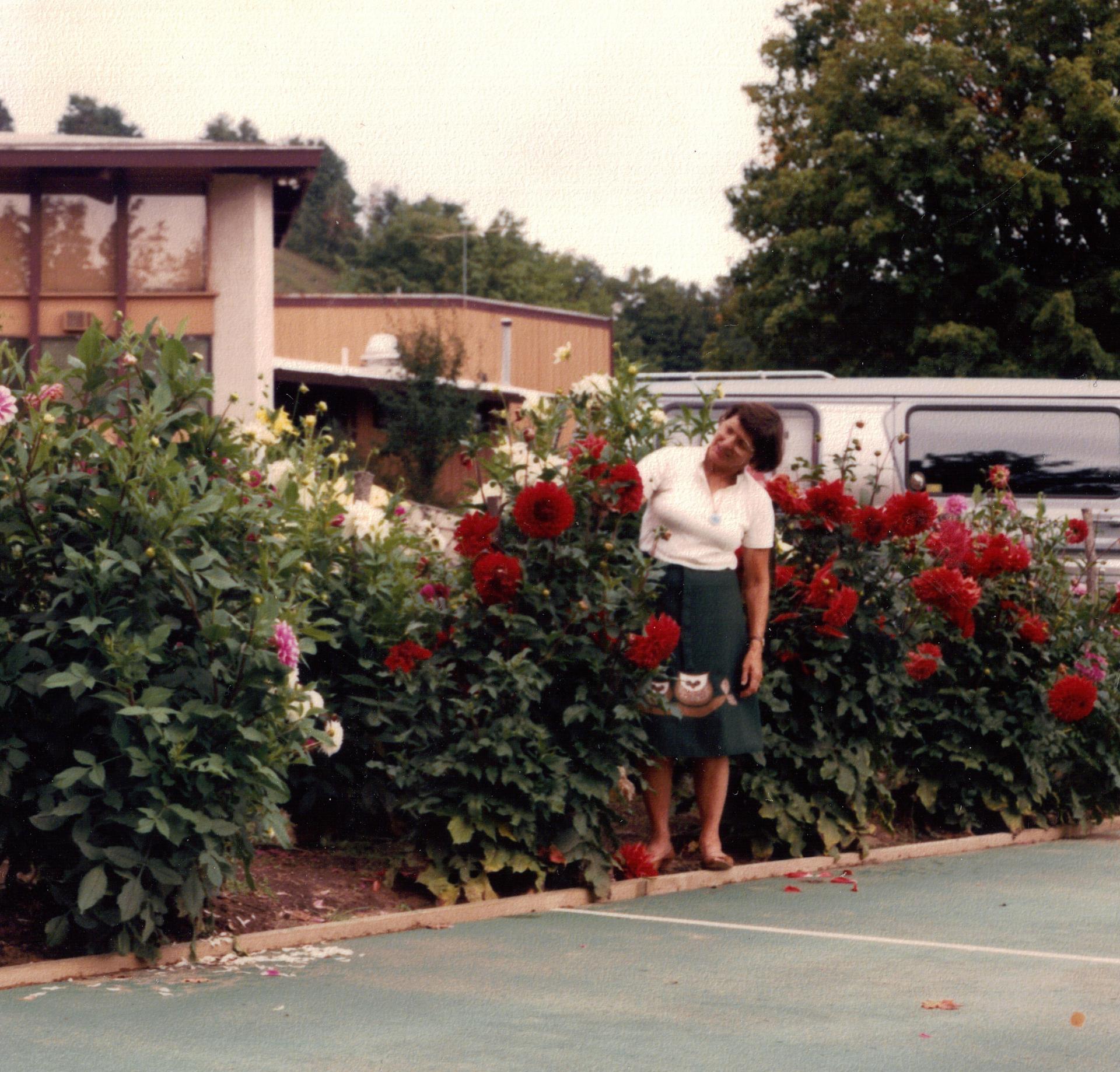
George and Althea in Althea’s gardens

Althea with friends at the Petritz house

Althea and Chris in Semmering, Austria, 1968
1 /
Transformation
1970s
The Petritz's investment continues.
An early Crystal Mountain advertisement highlighted the resort’s "bigger cafeteria, refined slopes, enhanced snowmaking capabilities, night skiing, an ice-skating rink, and new snowmobile park."
New general manager George Petritz and wife Althea faced the challenges of running a capital- and labor-intensive seasonal resort that was also very much dependent on the weather. Still, they continued to invest, especially in the quality of service. "Resort guests," they said, "should be treated as if they were guests in your own home."


1 /

Early marketing promoted year-round fun, including "singing waitresses."

More Crystal to love.
Additions to the summertime experience at Crystal included trout fishing, marching band and basketball camps, live concerts, and a dinner theatre produced by the Crystalettes, a group of music students from Ball State University. The Ox Roast, a weekly event, proved immensely popular.
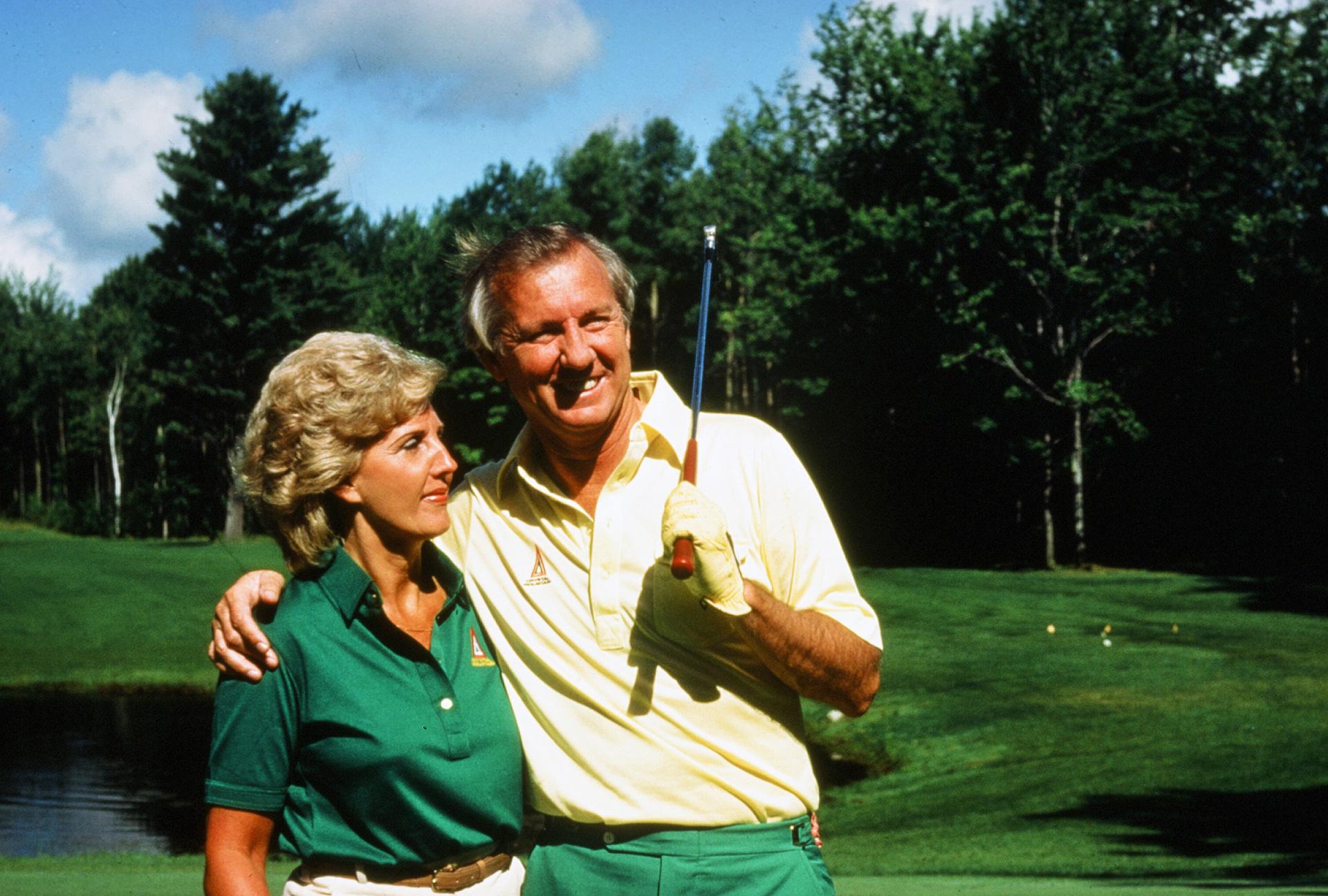
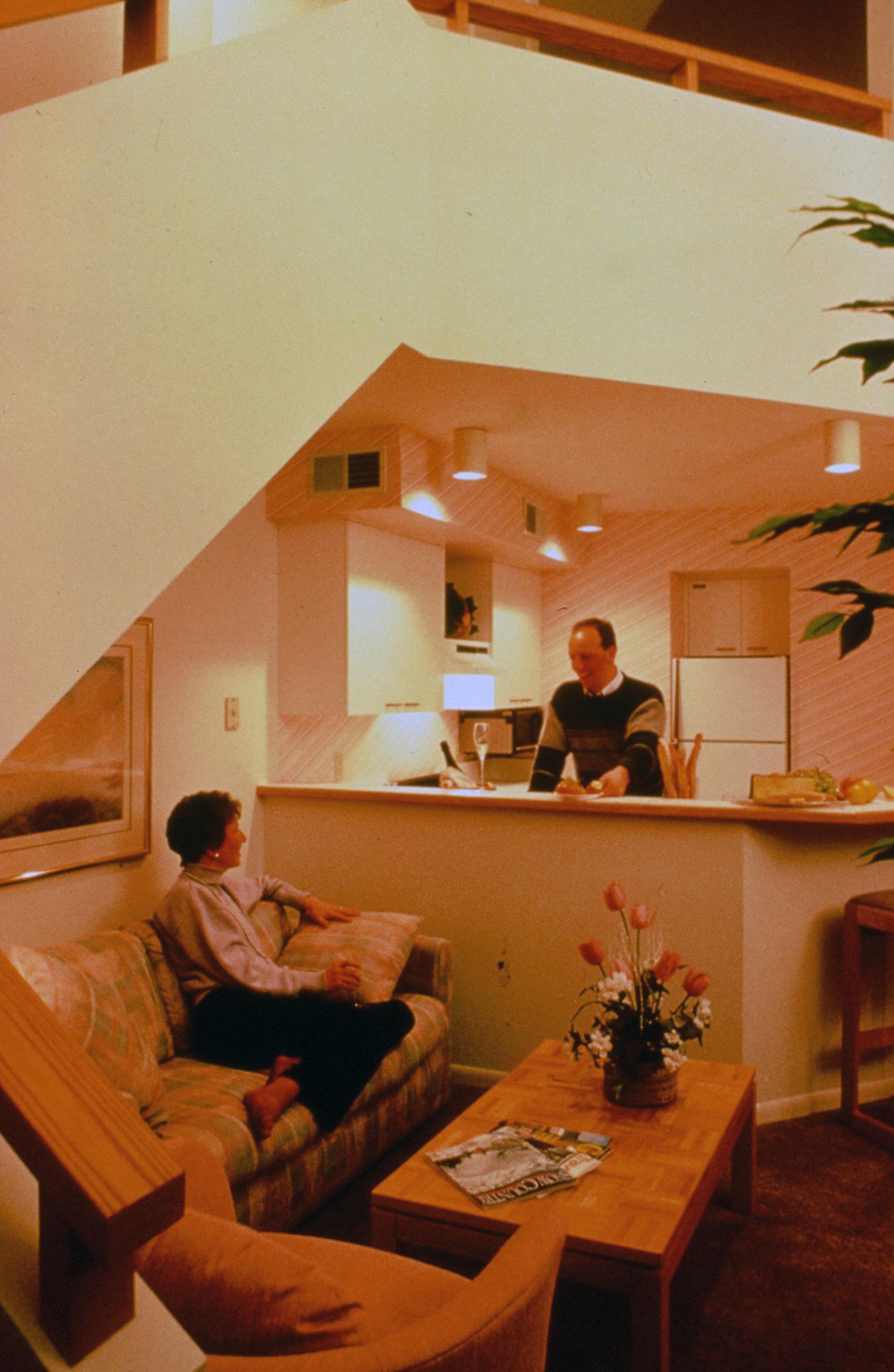
In 1975, the Meyer family purchased Richard Lindland’s interest in the business. Robert Meyer designed and led the construction of the Betsie Valley Golf Course, opened in 1977, along with the Crystal Colony Condominium featuring hotel-style guest rooms near the current Golf Pro Shop.
Family Vision
1980s
Now, it’s a family affair.
In the 1980s, lodging additions included 38 hotel-style rooms in Hamlet, at the base of the Cheers slope, and 36 units in Pinehurst Condominium, lining today’s hole #9 of the Betsie Valley golf course. In response to the growing demand for vacation real estate, the Village, with 30 homesites, was developed.
In 1981, when George and Althea Petritz bought out the Meyers’ interest, Crystal Mountain became a wholly owned family business.

Nancy Story, Crystal’s PR manager and avid skier, with husband Mick, around 1983

Jim and Chris exchange vows in California, May 29, 1983
1 /

Jim and Chris, during construction of the Loki lift, around 1994
New leadership, new vision.
George and Althea asked their daughter Chris and husband Jim MacInnes to join the family business. Chris and Jim were living in southern California. Both were passionate skiers and outdoors people (they'd met on a ski trip in Utah). Jim, an electrical engineer, had an MBA in finance. Chris worked extensively in sales and marketing, including in the ski industry. After several years of deliberation, Chris and Jim moved to Northern Michigan. They believed that, with a lot of work and a clear vision, Crystal Mountain could become a thriving year-round resort.

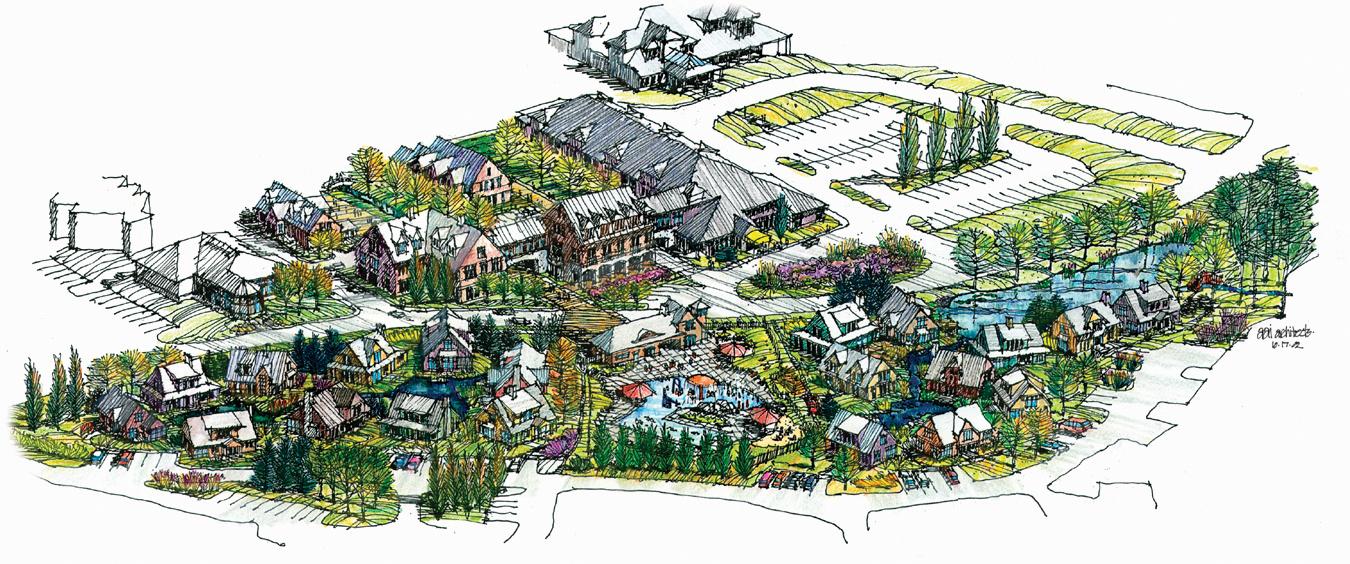
The master plan ensured that the village at Crystal would feel right at home in northern Michigan
Crafting “the plan”.
Through "study tours" of successful resorts, Chris and Jim experienced firsthand some of the industry's best practices and operations. Developing a long-term master plan for Crystal Mountain became their top priority. In 1989, they approached William Johnson, founder of Johnson, Johnson and Roy of Ann Arbor and former Dean of the School of Natural Resources at the University of Michigan, to handle the task. "No," Johnson said, "but we’ll help you create your own plan."

Peak Indoor Pool & Fitness Center
A long-term vision is the short-term goal.
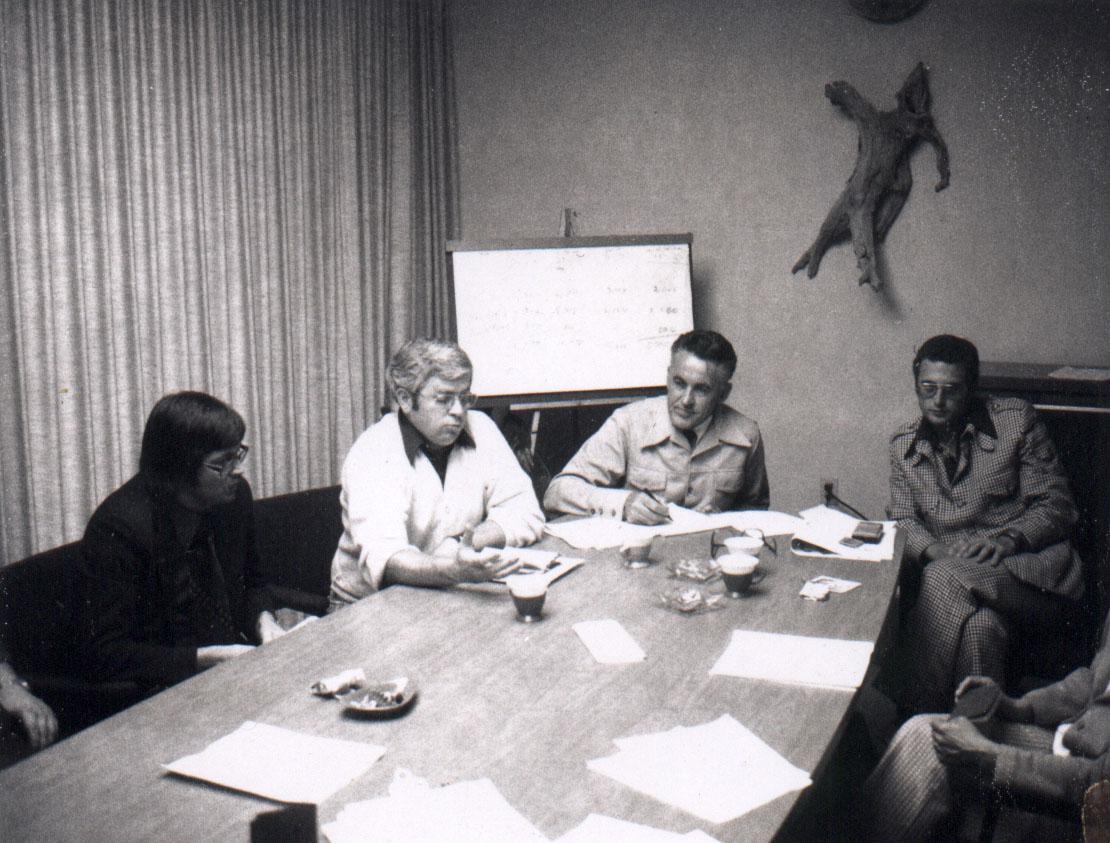
In 1989, he led a "charette" — a meeting of Crystal stakeholders — to map out a long-term vision for the resort. Participants included Petritz family members George and Althea, David, and Jim and Chris MacInnes; Crystal CFO Susan Baynard; project manager Kirk Davidson; and Wally and Jean Edwards, major property owners and longtime family friends.
Johnson was joined by his son and fellow landscape architect Mark; Joe Porter, a former student of Bill's with extensive experience in ski resort planning and development and a founder of the Denver-based Design Workshop; and Crystal architect of record Bob Holdeman.
The goals of the charette: 1) in just two and a half days, gain consensus on a 20-year land use plan; and 2) determine the location of the new indoor pool and fitness center, scheduled for construction in 1990.
How were others doing it?
The charrette began with a tour of other northern Michigan resorts and communities. What made these places feel authentic and special? The group discussed possible scenarios at Crystal, which were sketched out by Johnson and his team. After several hours, the planners dismissed the stakeholders to discuss what they'd heard and formulate a solution. When the full group reconvened, new iterations with more refined sketches were reviewed.
By the end of the charrette, the Crystal team had agreed on a long-term development plan entitled "Emergent Directions" as well as the location of the new pool and fitness center.
An important takeaway from the charrette, says Chris MacInnes: "It was OK to decide not to decide on certain things."

Mark Johnson, who partnered with his father, William Johnson of William Johnson and Associates, in guiding the creation of the Crystal Mountain master plan
The Crystal rules take shape.
During the charette, the guiding principles that would apply to all future development decisions were established:
- Development should be clustered to preserve and maximize natural, open spaces and maintain the Up North character.
- A vibrant pedestrian-oriented village core would become the hub of community life.
- Buildings would be designed at a scale that fits with the landscape and reinforces the character of rural Northern Michigan.
- Indigenous, natural materials, and simplicity of form would be used to connect development with the region.
- Natural features associated with Northern Michigan — ponds, streams and rich gardens — would be integrated.
- Additive quality and colors would be used.
- Take the Long View: design will be deliberate, and the community would be built iteratively, over time.

Future masterplan

Renderings of the future village streetscape.
1 /
Expansion
1990s
The master plan comes to life.
The Peak Indoor Pool and Fitness Center, the first result of the Master Plan, opened in 1990 in the heart of the village, and quickly proved to be a popular year-round amenity. The next year, a new entry road provided a grander introduction to the resort. The first nine holes of the Mountain Ridge course opened in 1992. A year later, the 10-acre Golf Learning and Practice Center was added, as was the first section of the primary interior connecting road, Mountain Center Drive, to allow for development outside the village core area.

“Man in His Element” by John Suave; in Michigan Legacy Art Park

Jay White, Crystal Real Estate broker from 1988 to 2014

David Barr, founder of Michigan Legacy Art Park

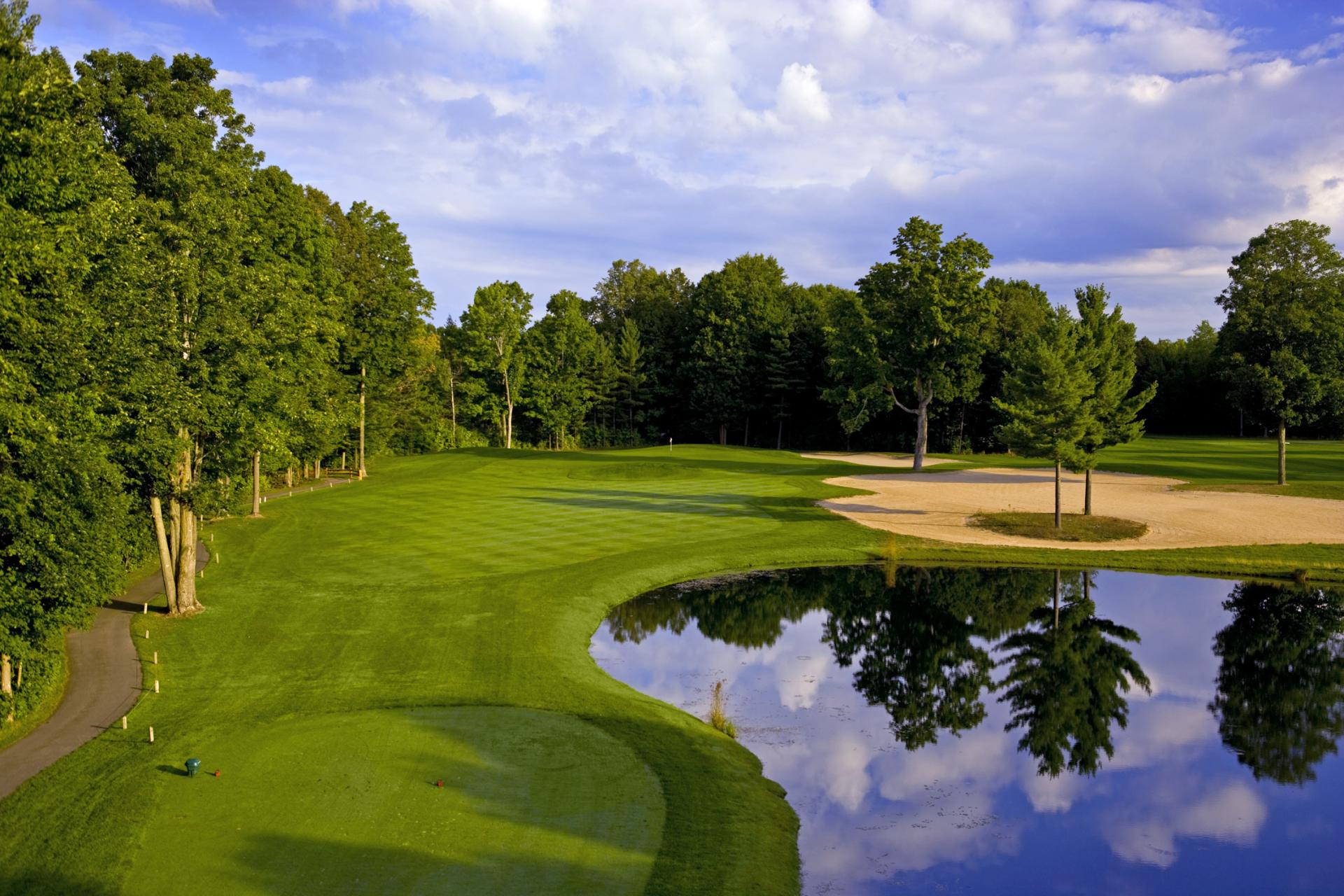
Hole #15, Mountain Ridge Golf Course

The Peak Pool & Fitness Center, 1991

Bud Abbey, Jim Goldman and at far right Hugh Stout

Laying the foundation for WinterGreen Phase IV, about 1992: George Petritz, Jay White, Chris & Jim MacInnes and Kirk Davidson
1 /

Nancy and Michael Call with twin daughters Adrienne (left) and Mariah, 1996 (Michael was Crystal’s VP of Mountain Operations; Nancy was Crystal’s VP of Marketing)
A new subdivision & more.
In 1993, MountainWoods, a 44-lot single-family subdivision, was built along the new Mountain Ridge golf course. The Pinehurst Green townhomes were also added along hole #9 of the Betsie Valley course.
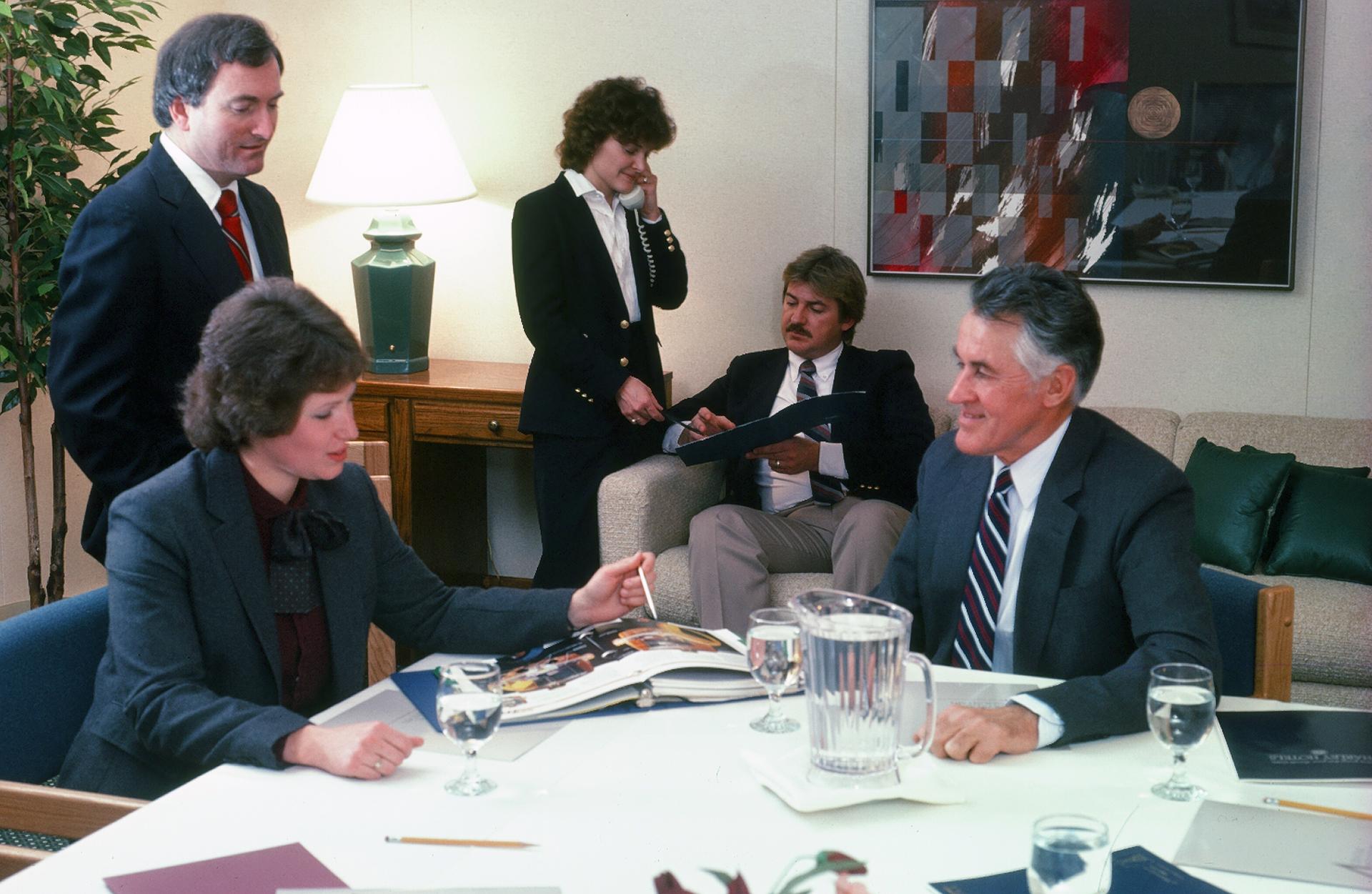
In 1995, the addition of the 33,000-square-foot Crystal Center elevated Crystal Mountain's meeting and conference capabilities significantly with high-quality meeting and event spaces for groups of up to 300. The multiuse building also served as the headquarters for ski ticketing, rentals, restrooms and lockers. Crystal Mountain also became home to the Michigan Legacy Art Park, a for-profit and nonprofit partnership created from a passion to preserve land in a creative way.
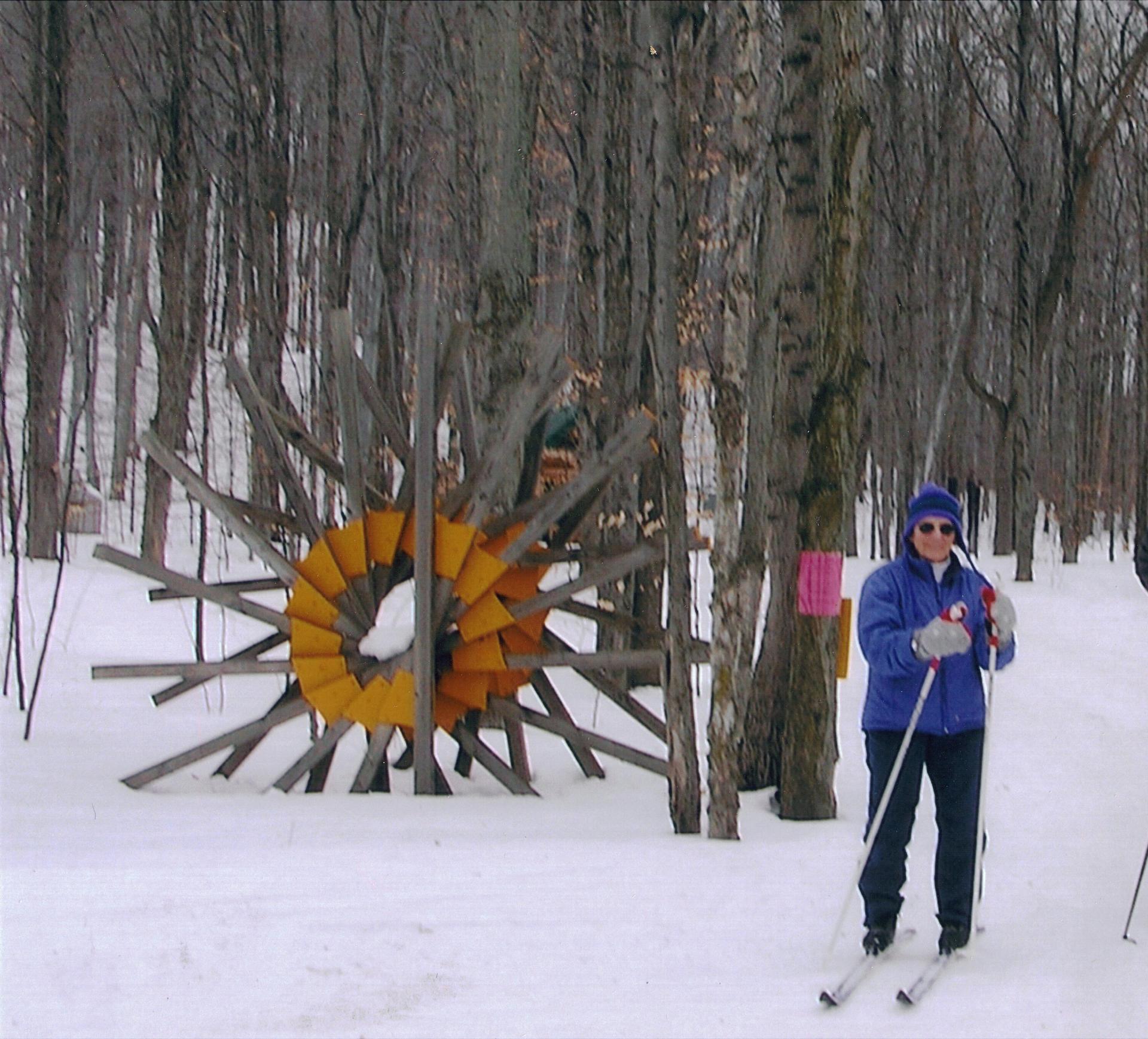
For nearly 30 years, Crystal leased 31 acres to this non-profit organization for $1 per year. In 2024, ownership was transferred to the Art Park, which continues to celebrate art, nature, and history with educational programming, guided hikes, concerts and events. Today, more than 60 juried art installations line the park's three miles of trails.

Inn at the Mountain
Crystal adds an inn you can own.
In 1997, Crystal's first mixed-use condominium, the 29,000-square-foot Inn at the Mountain, was developed. Its 29 suite-style hotel rooms, spacious lobby and reception area, and 10,000 square feet of office space made it a template for future projects. Profits from the sale of residential real estate helped fund other resort amenities and facilities.
In 1998, a second nine was added to the Mountain Ridge Golf Course. That same year, the Ridge lift and eight new slopes, designed by Joe Cushing of the SE Group, were added. Crystal Clipper, one of the fastest quad chairlifts in the Midwest, was also added. Totem Park, home of the resort's acclaimed children's ski and snowboard programs and the Snowsports School, was established.
Residential sales helped fund resort expansion.
Throughout the 1990s, Crystal Properties, Inc., developed multiple residential real estate projects that increased the number of beds and helped fund new amenities and facilities, including the final phases of the WinterGreen Condominium, the spacious MountainSide townhomes, and the first phase of the MountainTop townhomes.

MountainTop, under construction, around 2000

1 /
The Village
2000s

Kinlochen, 2002
The village takes shape.
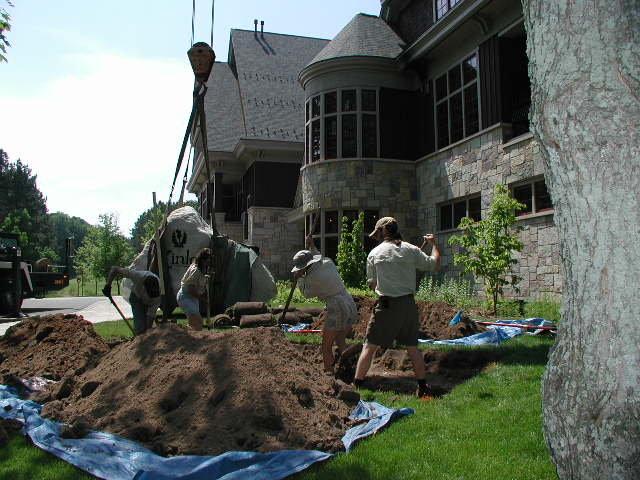
The essence of the Emergent Directions master plan was a vibrant, pedestrian-friendly village with lodging, restaurants, retail, and gathering spaces. Each addition to the resort would need to live up to the spirit and intent of the master plan. Kinlochen, opened in 2002, was a prime example. The three-story, 29,000-square-foot lodge was named after a 15th century castle in Scotland once kept by the MacInnes clan. It included a Golf Pro Shop, The Thistle restaurant, a rose garden, and 12 condominiums, each named after a Scottish castle. Kinlochen, situated at the base of the Buck slope and between the 1st, 9th and 10th holes of the Betsie Valley course, became the southern anchor of the village.

The Cottages, 2004-2006
The Cottages.
In 2003, Crystal increased its skiable terrain designed by the SE Group with eleven new North Face slopes serviced by a quad chairlift and views to Lake Michigan.
The Cottages and Park at Water’s Edge, near the Peak Pool and Fitness Center and across from the Inn at the Mountain, followed. The 22 cottages reference Northern Michigan 1900s era architecture. Lush landscaping includes streams, tranquil ponds and gardens. Today the Park at Water's Edge is a hub of summertime activity — a zero-depth entry pool and numerous play structures, lap lanes, year-round hot tub, climbing wall, ropes course, and zipline.
As the resort grew, so did the village's charm.

The Cottages at Waters Edge and Winter Green

Bungalows, 2008-2012
1 /
50 years old but full of energy.
By 2006 — Crystal Mountain's 50th Anniversary — the resort included 50 ski runs, 36 golf holes, a 10-acre golf practice center, indoor pool and fitness center, acre-size outdoor pool and water playground, conference center, four single-family residential neighborhoods, and lodging to accommodate 1,800 guests per night.

10-acre golf practice range

Home in Trailside

Character studies of the Park at Water’s Edge gatehouse
1 /

Entrance to Trailside
Trailside development.
In 2008, the 42-lot Trailside, a traditional cabin-inspired community, was established. More than 70% of the land in Trailside was preserved for open space. Homes were clustered in quaint neighborhoods connected by a private drive and hiking/biking trail system. In 2009, the 12,000-sq. ft. LEED-Certified Crystal Spa was added to the Peak Indoor Pool & Fitness Center and has since been consistently recognized as a Top 100 Spa in North America. The Bungalows at Crystal Glen were cropping up at the base of the Buck slope. These three- and four-bedroom dwellings typified Northern Michigan's Arts and Crafts architectural style. Each bungalow's name paid homage to the historical cottage communities of Benzie County. Like the Cottages, they were richly landscaped with gardens and a flowing stream.

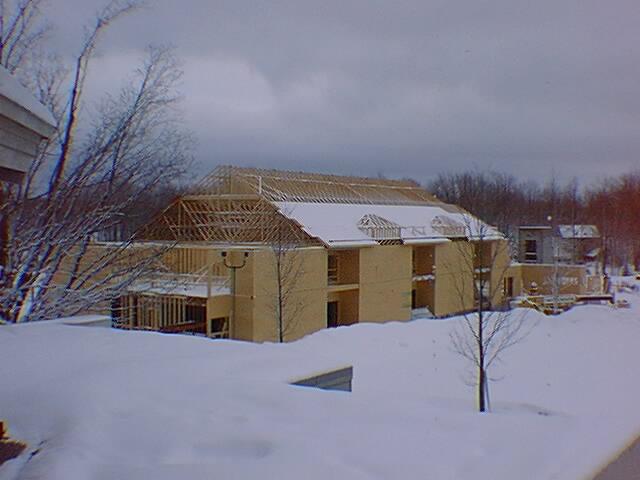
The future Inn at the Mountain/Phase II, 2014-2015.
1 /
Crystal Spa: one of North America’s finest.


1 /
Momentum
2010s
Upwards & onwards.
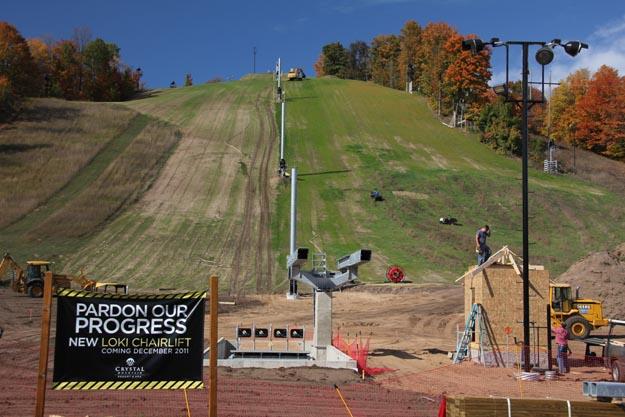
In 2011, the Loki double and triple chairlifts were replaced with a new Loki Quad chairlift. In 2013, the original Buck lift was replaced by a new Buck quad chairlift.
In 2016, The Backyard slopes and lift opened on the gently rolling terrain between The Ridge and North Face slopes. Crystal Mountain now had 59 downhill slopes and eight lifts – six chairlifts and two surface lifts.

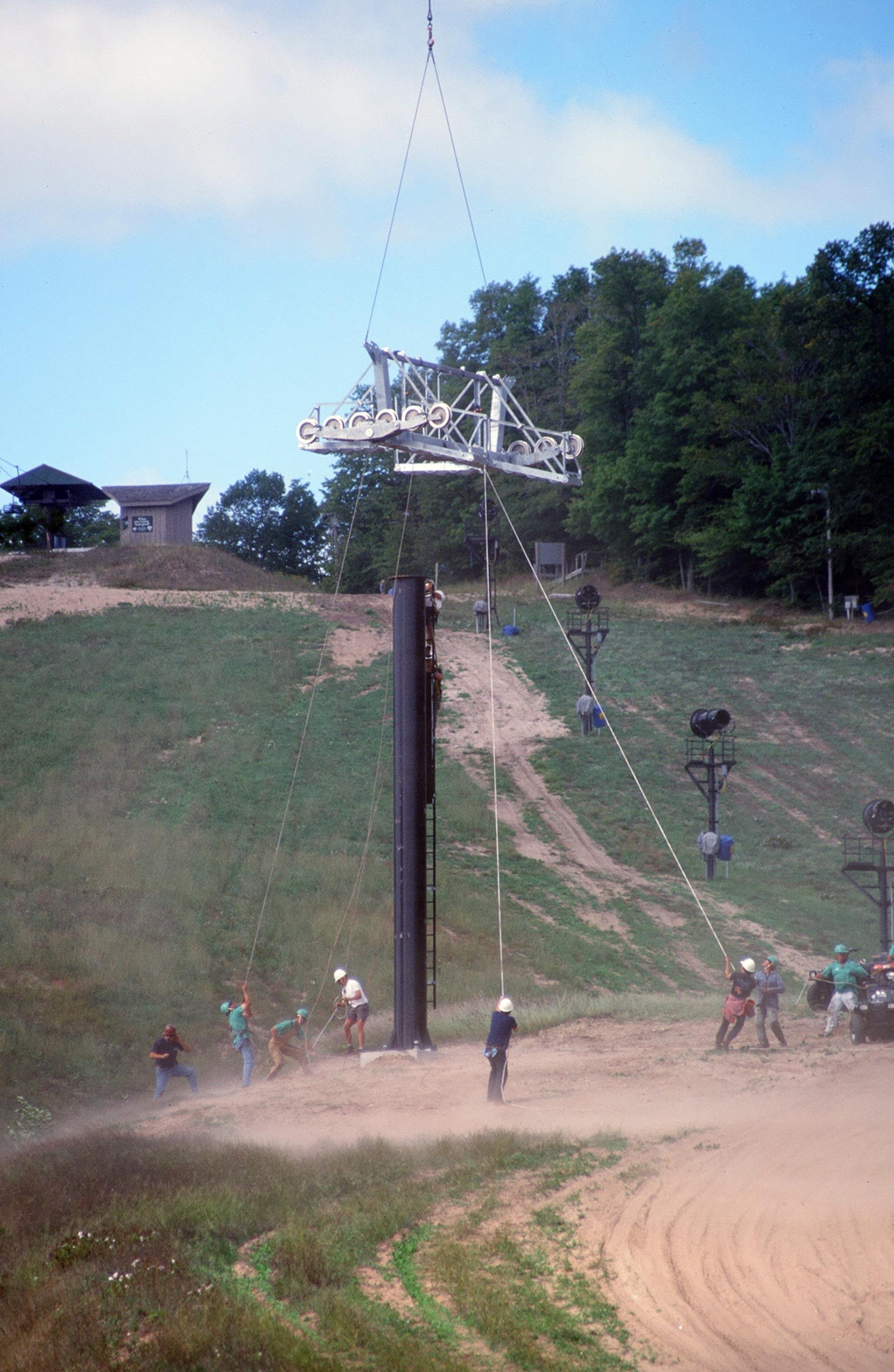
New Buck Quad under construction

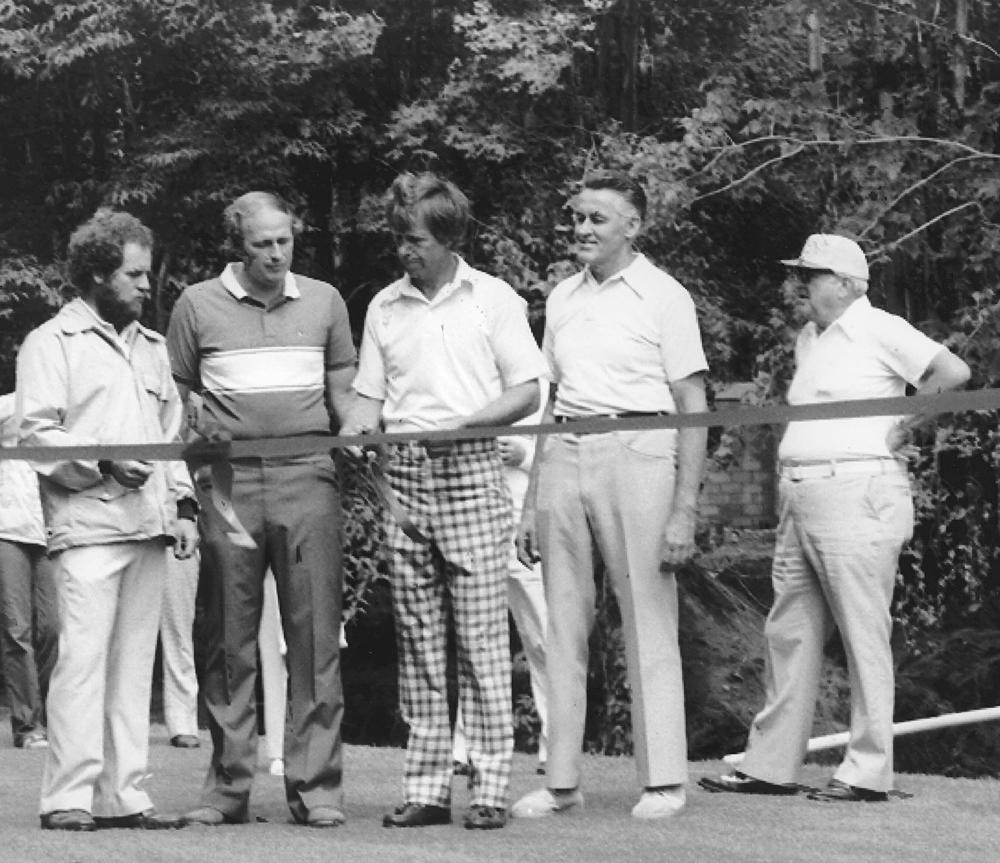
Cutting the ribbon for the new Loki chair

New Buck Quad under construction
1 /

“Equation” by David Barr
Expansion continues.
In 2015, ground broke on a 31,200-square-foot expansion to the Inn at the Mountain. Twenty-five luxury guest rooms and residences themed to celebrate Northern Michigan's landscape; a rooftop gathering area, the Level4 Lounge; and the Mountain Market and Bru Bar were added. Crystal Village was ever more vibrant than had originally been envisioned.
In 2018, Barr Park, the village centerpiece named after artist David Barr, the visionary founder of the Michigan Legacy Art Park, was added. A sculpture by Barr entitled "Equation" was installed in the tree bosque at the base of a multi-level pond. The park is a great place for picnics, events lawn games and, in winter, ice skating on the Barr Park rink.
North Village emerges.
In the 35 years since Crystal's Emergent Directions master plan was created, much of it has come to fruition. More than $200 million has been invested in the resort's amenities, facilities, infrastructure and residential real estate.
Now, many opportunities for future development on Crystal's 1,500 acres remain.
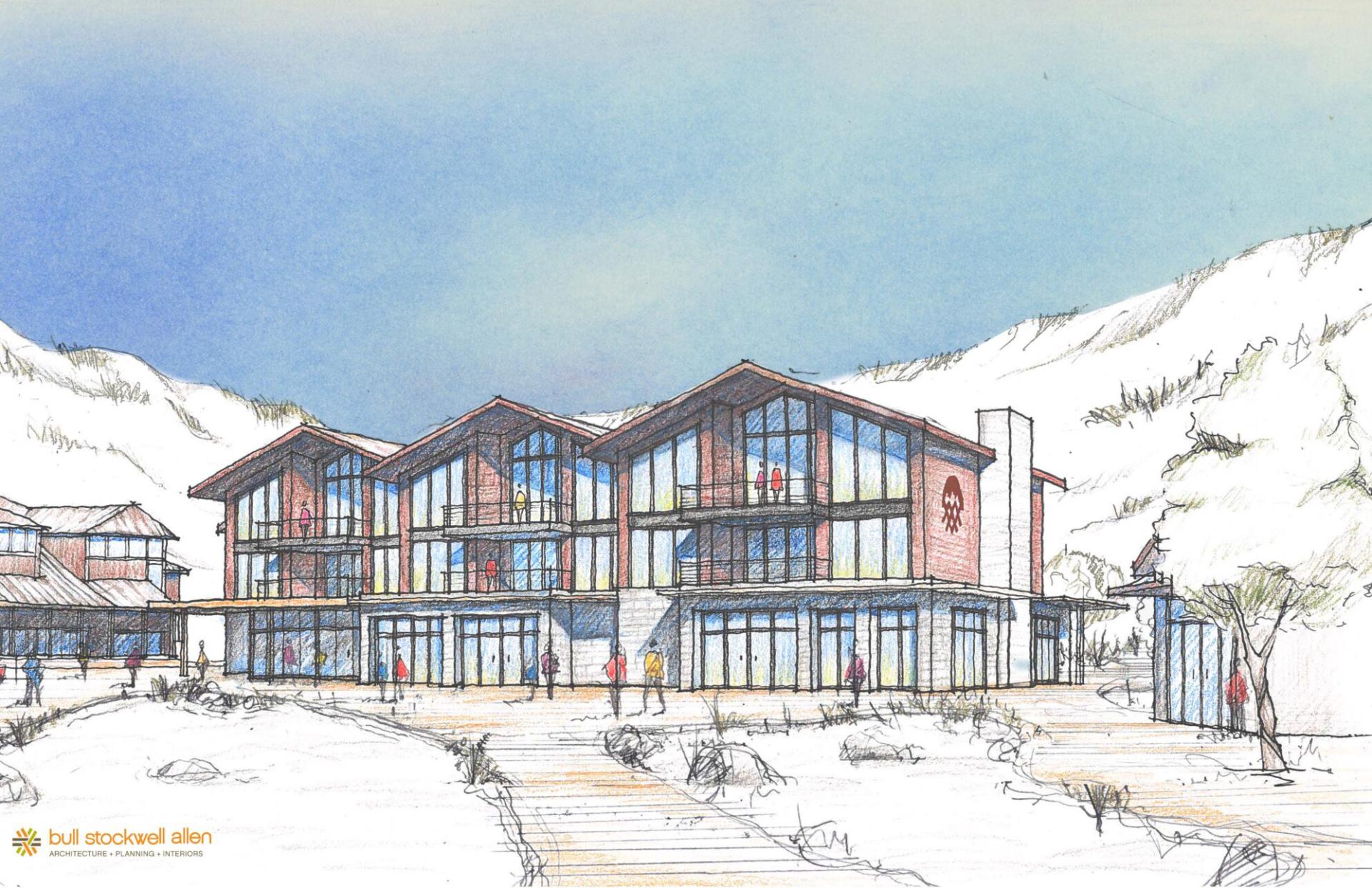
In 2026, the focus is on the creation of North Village, situated at the north end of the resort's core area. Its anchor will be First Tracks, a ski-centric, mixed-use building at the base of the Loki Quad, just beyond Crystal Center. First Tracks will mimic the Inn at the Mountain, with commercial use on the main level (snow sports schools, rental and retail) and additional levels of luxury, multi-key fractional ownership residences. First Tracks will also feature a year-round event plaza, gardens, and outdoor pool. To learn more about North Village, please contact Crystal Mountain Realty.

North Village Plan

Groundbreaking for the Mountain Operations Center in North Village, 2025
1 /
Crystal Future
2026+
A bright future
Here's to 70+ more years of year-round fun.

Sr. VP of Finance Everett Leonard, with professional golfer Joe Hooks

Crystal family: George L. Petritz with son Scott and grandchildren Gavin & Wyatt
1 /